Bardaghat, Nawalparasi | Baisakh 15, 2083
Samridha Commune Development Center Nepal (SCDC Nepal), in coordination with Bardaghat Municipality and with the financial support of Skoleliv i Nepal, has completed a series of capacity-building programs aimed at strengthening quality education in all 34 community schools of Bardaghat Municipality.
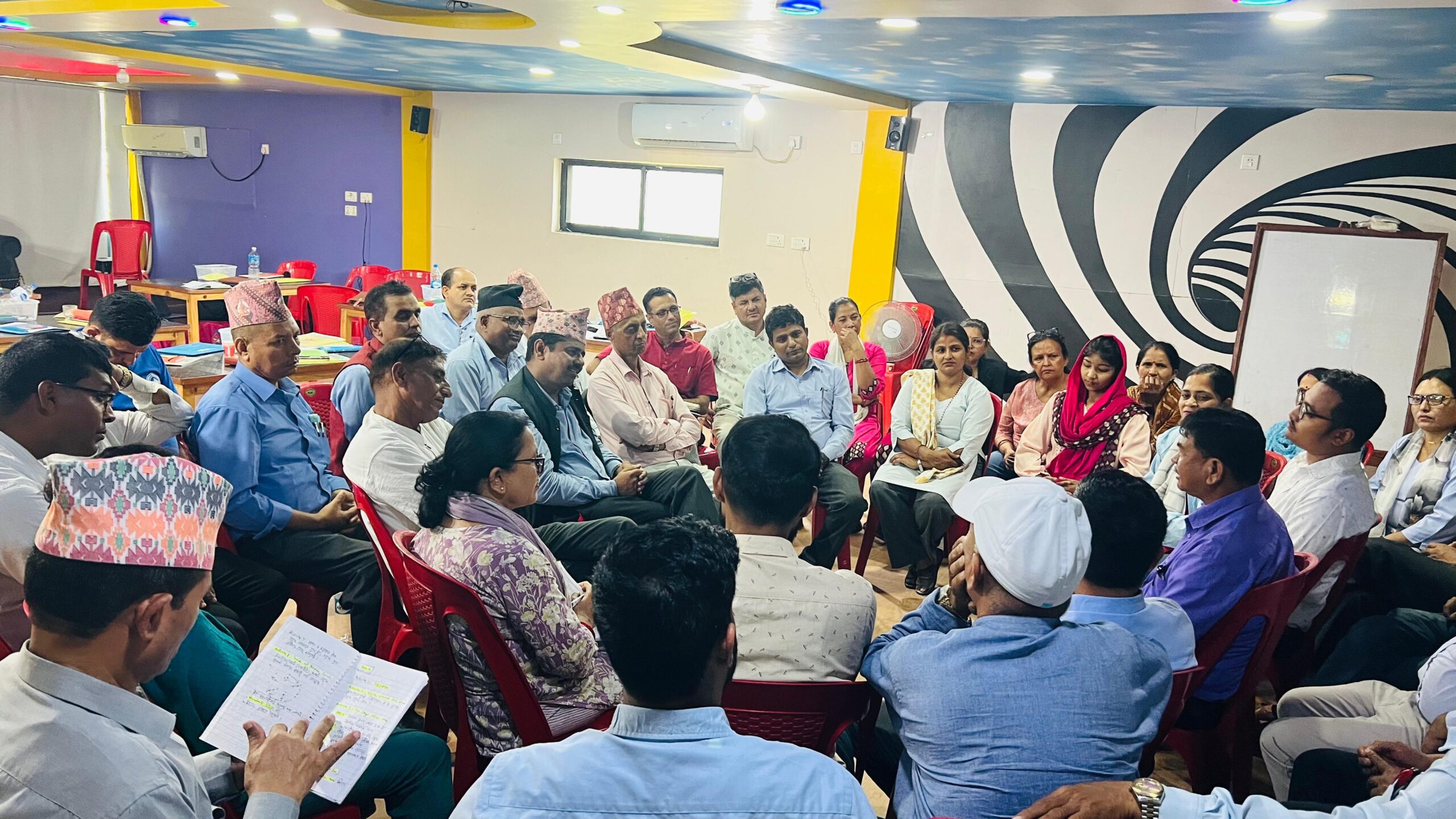
The initiative included a two-day leadership sharing program for head teachers, a one-day orientation for School Management Committee and Parent Teacher Association representatives, and a training program for child club focal teachers.
The head teachers’ program focused on instructional leadership, classroom observation, feedback techniques, annual instructional planning, remedial teaching strategies, and preparation of three-month school improvement plans. Participants expressed strong commitment to applying practical actions in their schools, including annual work plans, teaching improvement plans, and daily routines for discipline and sanitation.
Similarly, SMC and PTA representatives discussed their roles in improving student learning, school governance, teamwork, and effective implementation of School Improvement Plans. The program highlighted the need to prioritize students with weak learning outcomes and to strengthen collaboration among schools, parents, communities, and local government.
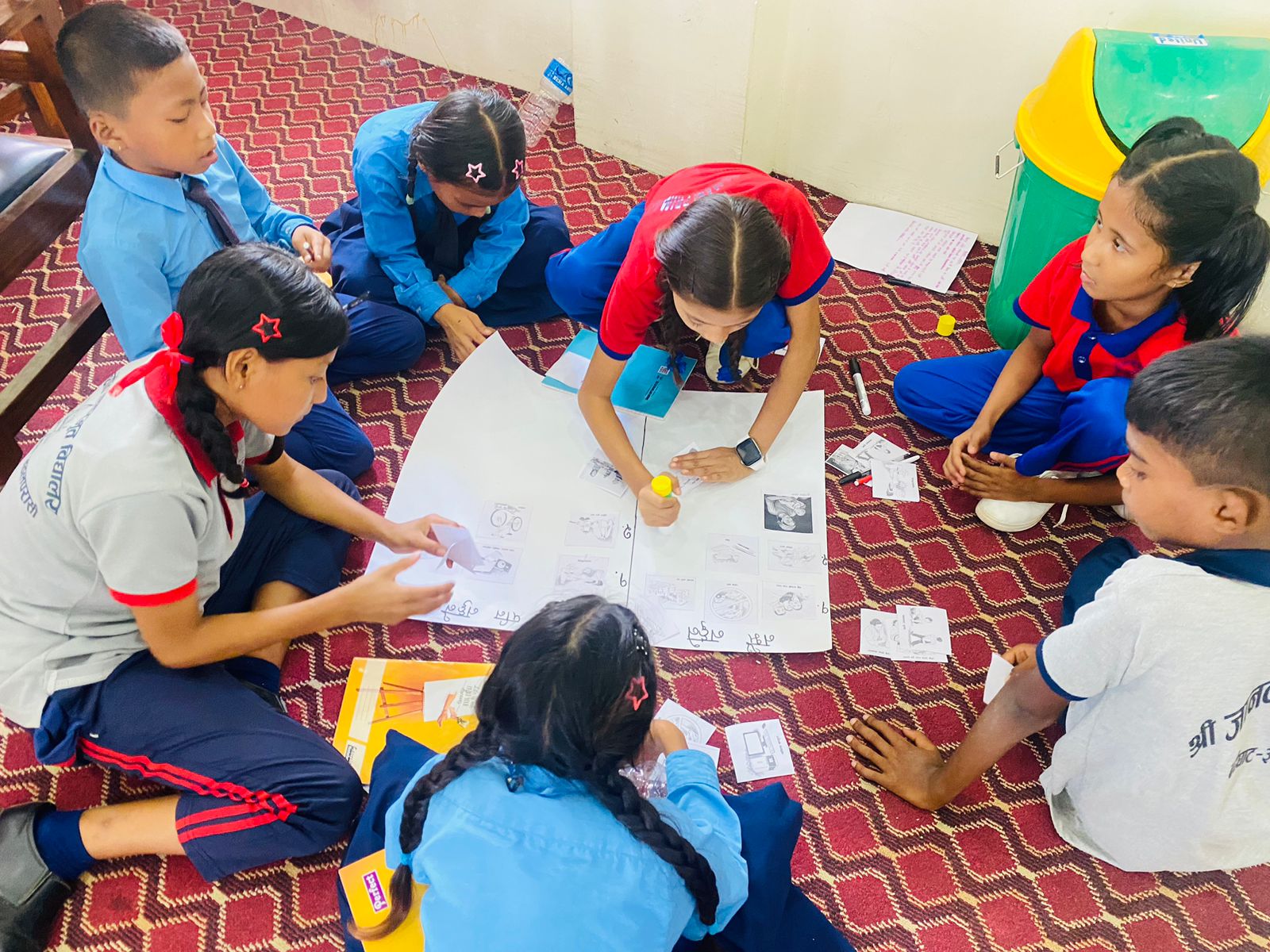
As part of promoting student participation, child club focal teachers were oriented on child club formation, child rights, child protection, and student leadership. A common decision was made to conduct child club elections in all community schools of Bardaghat on 2083 Jestha 10.
SCDC Nepal has been implementing a pilot project on quality education through community mobilization in eight schools of Bardaghat for the past two years. Based on the learning from the pilot initiative, the program is now being expanded to all 34 community schools of the municipality.
This initiative reflects SCDC Nepal’s continued commitment to inclusive, child-centered, and community-led quality education. It also reinforces the message that school improvement is a shared responsibility of head teachers, teachers, parents, students, school management bodies, communities, and local government.